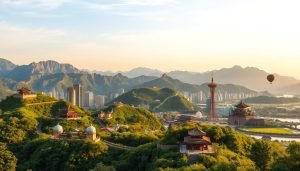
Explore Chengdu China Attractions: Guide to Local Highlights

Welcome to the vibrant capital of Sichuan province, a destination that perfectly blends ancient traditions with modern innovation. This remarkable city offers visitors an unforgettable experience combining rich history with contemporary energy.
Australian travellers will appreciate the convenient visa-free entry options available. Citizens from over 40 countries, including Australia, can enjoy 30 days of exploration without visa hassles. This makes planning your journey simpler than ever.
The city’s culinary scene has earned global recognition as a UNESCO City of Gastronomy. This honour highlights the unique food culture that awaits every visitor. From fiery Sichuan hotpot to delicate local specialties, your taste buds are in for a treat.
Our comprehensive travel guide helps you discover the full spectrum of what makes this destination so special. You’ll find everything from ancient temples to modern urban experiences that define the local character.
Key Takeaways
- Chengdu offers 30-day visa-free entry for Australian passport holders
- The city holds UNESCO City of Gastronomy status for its unique food culture
- Perfect blend of ancient history and modern urban development
- Diverse experiences from pandas to temples and contemporary attractions
- Laid-back atmosphere makes exploration comfortable and enjoyable
- Strategic location in Sichuan province with excellent transport links
- Year-round appeal with different seasonal highlights to discover
Introduction to Chengdu’s Vibrant Culture
The rhythm of life here moves at a different pace, shaped by millennia of history and contemporary energy. This urban centre boasts over 2,000 years of continuous cultural development.
Ancient traditions coexist with modern innovation throughout the city. Visitors encounter this unique blend everywhere they explore.
Overview of Chengdu’s Historical and Modern Blend
During the Qing Dynasty period, many historic streets and alleys took shape. These architectural treasures showcase traditional Sichuan residential styles.
The preservation of these areas creates a living connection to the past. Meanwhile, gleaming skyscrapers represent the city’s forward-looking development.
An Insight into Local Lifestyle and Traditions
Local culture prioritises relaxation and social connection above all else. Residents have perfected the art of enjoying quality time.
Teahouse culture forms the heartbeat of daily life here. More teahouses operate per capita than anywhere else in the country.
You’ll find locals gathering in parks for mahjong games and community activities. Traditional practices like tai chi and calligraphy demonstrations continue thriving.
The emphasis on leisure time creates a refreshing contrast to busier urban centres. This approach to life makes visiting particularly enjoyable for travellers seeking authentic experiences.
Top Chengdu China Attractions You Must Experience
From world-famous wildlife encounters to ancient cultural treasures, the city’s top destinations offer unforgettable moments. Visitors can explore everything from pandas to UNESCO sites within easy reach.
Highlights of Natural and Cultural Landmarks
The variety of things to see here is truly remarkable. You’ll find over 25 major destinations waiting for exploration.
Wildlife lovers can visit the famous panda breeding centre. History enthusiasts will adore ancient streets and temples. Nature seekers have mountain escapes nearby.
| Attraction Type | Key Examples | Unique Features | Accessibility |
|---|---|---|---|
| Wildlife Experiences | Giant Panda Breeding Base | Close encounters with endangered species | Within city limits |
| Historical Sites | Jinli Ancient Street, Wenshu Monastery | Qing Dynasty architecture preserved | City centre locations |
| UNESCO World Heritage | Leshan Giant Buddha, Mount Emei | Global significance and natural beauty | Easy day trips |
| Natural Landscapes | Xiling Snow Mountain, Jiuzhaigou Valley | Spectacular mountain and valley scenery | 2-4 hour journeys |
Why These Attractions Stand Out
What makes this place special is the perfect blend of experiences. Urban cultural sites complement breathtaking natural wonders.
The city has invested heavily in tourism infrastructure. This makes independent exploration straightforward for international visitors. Organised tours also operate efficiently.
When you visit Chengdu, you’ll discover why it’s considered a gateway to China’s most spectacular regions. The diversity of things to do ensures every traveller finds their perfect experience.
The Iconic Chengdu Research Base of Giant Panda Breeding
Home to over a hundred endangered bears, this conservation centre offers rare glimpses into the lives of these iconic creatures. The facility provides unparalleled viewing opportunities in naturalistic habitats.
Best Time and Tips for Visiting
Early morning visits are essential for optimal panda viewing. The animals are most active during twilight hours before retreating to bamboo trees around 10:00 AM.
Arrive when gates open at 7:30 AM to see feeding sessions and playful behaviour. Winter months offer smaller crowds and sometimes free entry on special days.
What to Expect at the Panda Base
Visitors can observe everything from newborn cubs to adult pandas. Watch them munch on fresh bamboo shoots and climb trees with surprising agility.
The base also houses red pandas and features educational museums. Allow 3-4 hours to explore the beautifully landscaped gardens and conservation exhibits.
| Practical Information | Details | Tips |
|---|---|---|
| Opening Hours | 7:30 AM – 5:00 PM | Arrive early for active pandas |
| Ticket Price | 55 RMB per person | Check for seasonal discounts |
| Transport | Subway to Panda Avenue + shuttle | HiPanda bus costs 2 RMB |
| Best Viewing | 7:30 AM – 10:00 AM | Pandas nap after morning activity |
Historic Streets and Enchanting Temples
Step back in time along historic streets that preserve centuries of cultural heritage. These atmospheric districts showcase remarkable architectural continuity from ancient dynasties to modern times.
Jinli Ancient Street: A Walk Through Time
This historic street dates back to the Shu Kingdom era. It has been carefully rebuilt using authentic Qing Dynasty residential designs.
The narrow alleyways come alive at night when traditional red lanterns illuminate the scene. This creates perfect conditions for photography and evening exploration.
Visitors discover traditional shops selling Shu Brocade, lacquerware, and handmade souvenirs. Local snack vendors offer authentic regional flavours throughout the street.
Exploring Wenshu Monastery’s Serene Ambience
This ancient temple complex provides a peaceful retreat from urban bustle. The site features classic Sichuan-style wooden architecture.
Worshippers regularly light incense while visitors admire precious Buddhist relics. The temple grounds include a popular teahouse and vegetarian restaurant.
Outside the main temple, Wenshu Fang offers modern shops and local snack bars. This area provides excellent opportunities to observe daily community life.
Plan 2-3 hours for each location to fully appreciate these historic treasures. Evening visits suit the street while mornings work best for temple exploration.
Discovering Chengdu’s Heritage Through Museums and Memorials
Cultural enthusiasts will find their perfect experience exploring the memorial sites that honour legendary figures from different dynastic periods. These carefully preserved locations offer deep insights into the region’s rich historical legacy.
Wuhou Temple and Its Legacy
This remarkable temple stands as a tribute to Zhuge Liang, the legendary minister from the Three Kingdoms period. For over a thousand years, it has preserved stories of loyalty and strategic brilliance.
The temple complex features unique architectural elements that make it special worldwide. Visitors can explore the famous “Three Remarkable Steles” and admire 28 statues of Shu Han ministers. Ancient trees provide shade throughout the peaceful bamboo gardens.
Du Fu Thatched Cottage and Its Cultural Significance
This site served as the former home of Du Fu, one of China’s greatest poets from the Tang Dynasty. The cottage beautifully combines memorial temple elements with traditional garden design.
The peaceful atmosphere makes it perfect for contemplating classical Chinese literature and culture. Visitors can spend hours exploring the harmonious blend of architecture and natural surroundings.
| Heritage Site | Entry Fee | Recommended Time | Unique Feature |
|---|---|---|---|
| Wuhou Temple | 60 RMB | 2-3 hours | Integrated emperor-minister tombs |
| Du Fu Thatched Cottage | 50 RMB | 2-3 hours | Combined memorial and garden |
Modern Urban Experiences: Squares, Shops and Galleries
At the heart of the urban landscape lies a modern gathering place that showcases contemporary development while honoring cultural heritage. This area demonstrates how the destination balances progress with preservation.
Tianfu Square and Chengdu Museum (New Building)
Tianfu Square serves as the central hub of the city, similar in scale to Beijing’s famous Tiananmen Square. The expansive plaza features a striking 30-metre statue of Chairman Mao in its northern section.
Underground shopping centres and major subway connections make this a crucial transportation hub. Visitors can easily plan their day around this central location.
The Chengdu Museum’s new building opened in 2016 on the square’s western side. This modern five-storey facility offers free entry with a valid passport.
Exhibits cover the city’s development from ancient times to the present day. Unique displays include traditional shadow plays and puppet shows.
| Location | Entry Requirement | Recommended Time | Key Features |
|---|---|---|---|
| Tianfu Square | Free access | 1-2 hours | Underground shops, statue, transport hub |
| Chengdu Museum | Passport for free entry | 2-3 hours | 5 floors, rotating exhibits, folk arts |
Plan your visit during weekdays to avoid crowds. The central location makes it easy to combine with other attractions in one day. Don’t forget your camera for excellent photos opportunities.
Immerse Yourself in Local Life at People’s Park and Teahouses
More than just green space, People’s Park functions as the city’s communal living room where generations gather. This central oasis offers free entry and reveals authentic daily rhythms that define the local way of life.
Experience the Relaxed Vibe of People’s Park
Throughout the day, this vibrant park fills with locals enjoying traditional pastimes. Seniors practice tai chi at dawn while others dance to various music styles. The atmosphere feels like a continuous community celebration.
One unique feature is the Marriage Market where parents post detailed advertisements seeking partners for their children. This fascinating tradition creates a real-world alternative to modern dating apps.
Sampling Local Teahouse Traditions
The legendary Heming Teahouse has operated for over a century beside the park’s lake. Here, time slows down as visitors relax in classic bamboo chairs with bottomless thermos flasks of tea.
This is the perfect way to embrace local life. Skilled practitioners offer professional ear cleaning services followed by invigorating shoulder massages. Spending an afternoon here provides insights that museums cannot match.
People’s Park showcases how public spaces serve as community hubs. Multiple generations socialise here daily, maintaining traditions that make this destination special.
Culinary Adventures in Chengdu
The true soul of this destination reveals itself not in museums or landmarks, but around dining tables where communal meals become cultural experiences. UNESCO’s City of Gastronomy designation celebrates a food tradition that balances fiery intensity with sophisticated flavour harmony.
Savouring Fiery Sichuan Hotpot
Hotpot represents the ultimate shared dining experience. Groups gather around bubbling cauldrons, cooking fresh ingredients in broth infused with chili and Sichuan peppercorns.
First-timers should request a yin-yang pot with separate mild and spicy sections. This allows you to build tolerance while enjoying the unique mala sensation that defines local cuisine.
Exploring Traditional Sichuan Cuisine and Street Food
Beyond hotpot, legendary dishes like Mapo tofu and dan dan noodles showcase the region’s culinary mastery. Each meal tells a story through balanced sweet, sour, salty, and spicy notes.
Street vendors offer quick bites throughout the day. Watch sugar artists create edible sculptures while sampling authentic local snacks in historic alleyways.
Multiple meals over several days provide the best introduction to this diverse food culture. The numbing pepper quality actually makes intense flavours more approachable than expected.
Excursions Beyond the City: Leshan Giant Buddha & Mount Emei
Just a short journey from the urban centre lies one of the world’s most impressive religious sculptures. These destinations offer profound spiritual experiences amid spectacular natural settings.
Planning a Day Trip to the Leshan Giant Buddha
The Leshan Giant Buddha stands 71 metres tall as the largest stone Buddha sculpture globally. Carved during the Tang Dynasty between 713-803 AD, this UNESCO site overlooks three rivers’ confluence.
High-speed trains reach Leshan in 1-1.5 hours, making it perfect for day travel. Winter entry costs 80 RMB, with scenic paths winding through lush vegetation.
Visitors descend steep stairs alongside the massive statue for perspective. The experience includes additional temples and pagodas throughout the site.
An Overview of Mount Emei’s Sacred Peaks
Mount Emei ranks among China’s Four Sacred Buddhist Mountains. High-speed trains access Emeishan Station in just over an hour.
The mountain features Baoguo Temple at its base and the Golden Summit exceeding 10,000 feet. Buddhist prayer flags flutter amid spectacular cloud seas.
Entry costs 185 RMB with recommended visits of 1-3 days. Visitors can choose between challenging climbs or convenient cable cars.
Comfortable walking shoes are essential for both destinations. Organised tours simplify logistics while independent travel offers flexibility.
Cultural Performances and Unique Art Forms
One of the most captivating evening experiences awaits visitors seeking authentic cultural entertainment. Traditional theatres come alive after sunset with mesmerising shows that have entertained locals for centuries.
Witnessing Sichuan Opera and Face-Changing Shows
The famous face-changing technique (bian lian) represents one of Sichuan opera’s most spectacular elements. Performers change elaborate masks in split seconds using secret methods passed down through generations.
Typical shows last 1.5-2 hours and include multiple art forms. Beyond the main attraction, audiences enjoy fire spitting, hand shadows, traditional dancing, and acrobatics. Live calligraphy demonstrations add educational value to the entertainment.
Venues like Shufeng Yayun Opera House offer traditional courtyard seating. Guests sip tea and nibble sunflower seeds while watching. Smaller theatres along Kuanzhai Alley provide more intimate experiences with closer performer interaction.
The magic happens when artists descend from the stage. They shake hands with audience members while instantly changing masks right before their eyes. This creates unforgettable moments that transcend language barriers.
Tickets are available online or at venue entrances. Some locations offer backstage access and costume photo opportunities. This living tradition connects modern audiences with centuries of performing arts history.
Shopping Hotspots and Entertainment Zones
The commercial heartbeat of the city pulses through carefully preserved historic streets and contemporary shopping precincts that cater to every taste. These districts offer more than retail therapy—they’re vibrant social hubs where locals and visitors mingle.
Exploring Kuanzhai Alley and Chunxi Road
Kuanzhai Alley presents three parallel Qing Dynasty streets transformed into a pedestrian paradise. This historic place features traditional architecture housing teahouses, cultural shops, and local snack vendors. Entry is free, making it perfect for a leisurely 2-3 hour exploration.
Nearby, Chunxi Road ranks as China’s third most important pedestrian shopping street. The area buzzes with modern shopping malls, international brands, and diverse dining options. It’s adjacent to the upscale Taikoo Li complex, where luxury boutiques occupy beautifully designed West Sichuan-style buildings.
Don’t miss the iconic giant panda sculpture climbing the IFS mall facade. Created by artist Lawrence Argent, this installation has become a must-photograph landmark. Access the rooftop garden via spectacular escalators for the best views.
These shopping districts serve different purposes in a well-rounded itinerary. Kuanzhai Alley offers cultural immersion while Chunxi Road provides contemporary urban experiences. Consider splitting visits across different days to fully appreciate each area without fatigue.
Conclusion
As you plan your adventure, remember that the true magic lies in embracing the local pace of life. This comprehensive travel guide highlights why you should visit Chengdu for its unique blend of ancient culture and modern comforts.
The city offers unforgettable experiences from pandas to UNESCO sites. But the most memorable things often happen spontaneously in teahouses or parks. This special place encourages you to slow down and absorb the atmosphere.
Australian travellers will appreciate the straightforward visa-free access. The excellent infrastructure makes independent exploration easy. Use this travel guide as your foundation, but leave room for unexpected discoveries.
Many visitors find this destination so captivating it begins to feel like a second home. The warmth and hospitality ensure your visit Chengdu experience will be rewarding. This remarkable place welcomes you to create lasting memories.
FAQ
What is the best time of day to visit the giant panda research base?
How many days should I spend in the city to see the main attractions?
Is it worth taking a day trip to see the Leshan Giant Buddha?
What is a must-try food experience for first-time visitors?
Where is the best place to experience local teahouse culture?
What makes the Sichuan Opera face-changing show so unique?
Tony Simon